RISKING KASTOM: THE CATALOGUE
AN EXHIBITION ON THE IDENTITY OF VANUATU.
WITH BILLY PITTA-GRÓZ, CURATED BY JASON LYN.
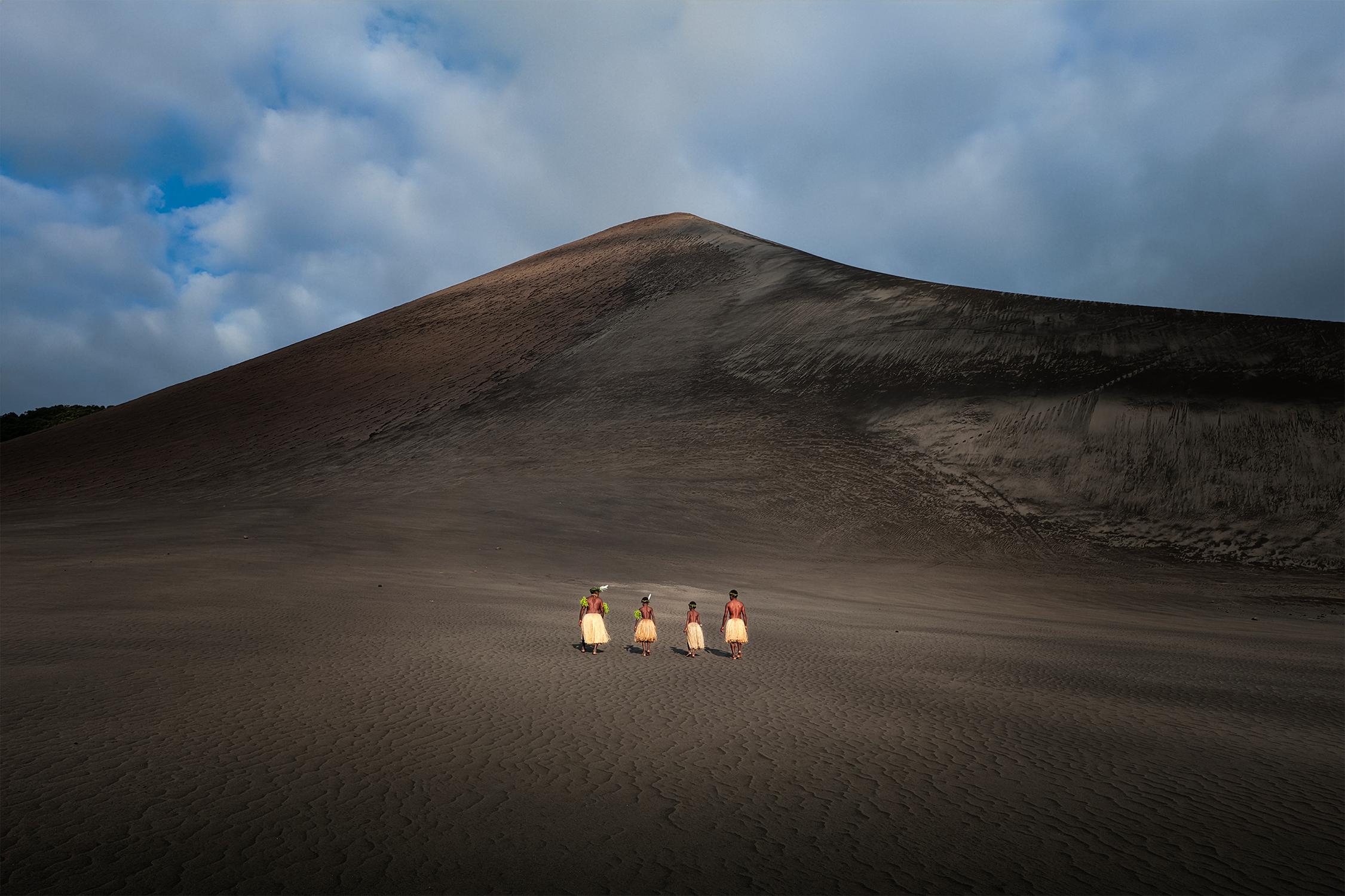
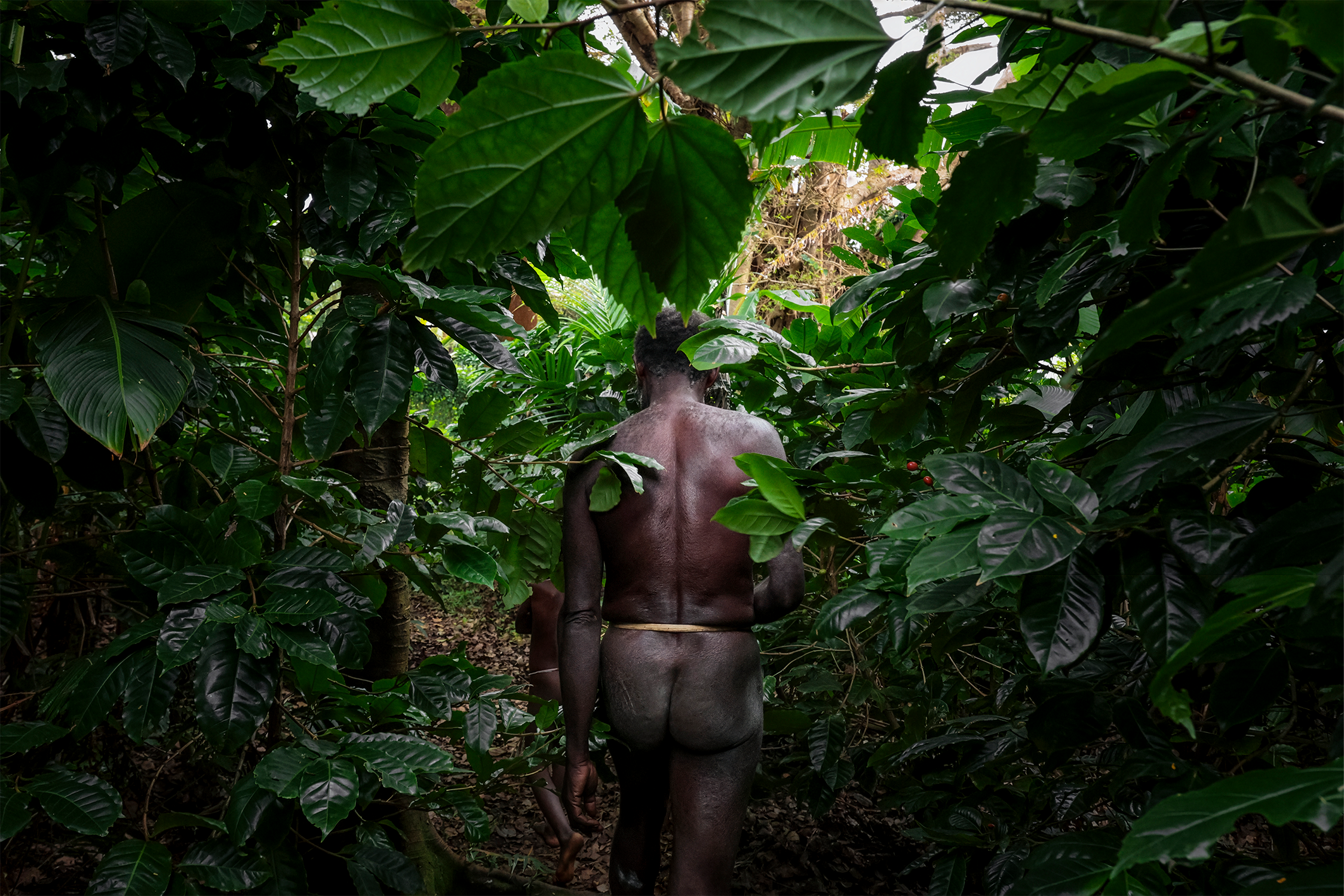
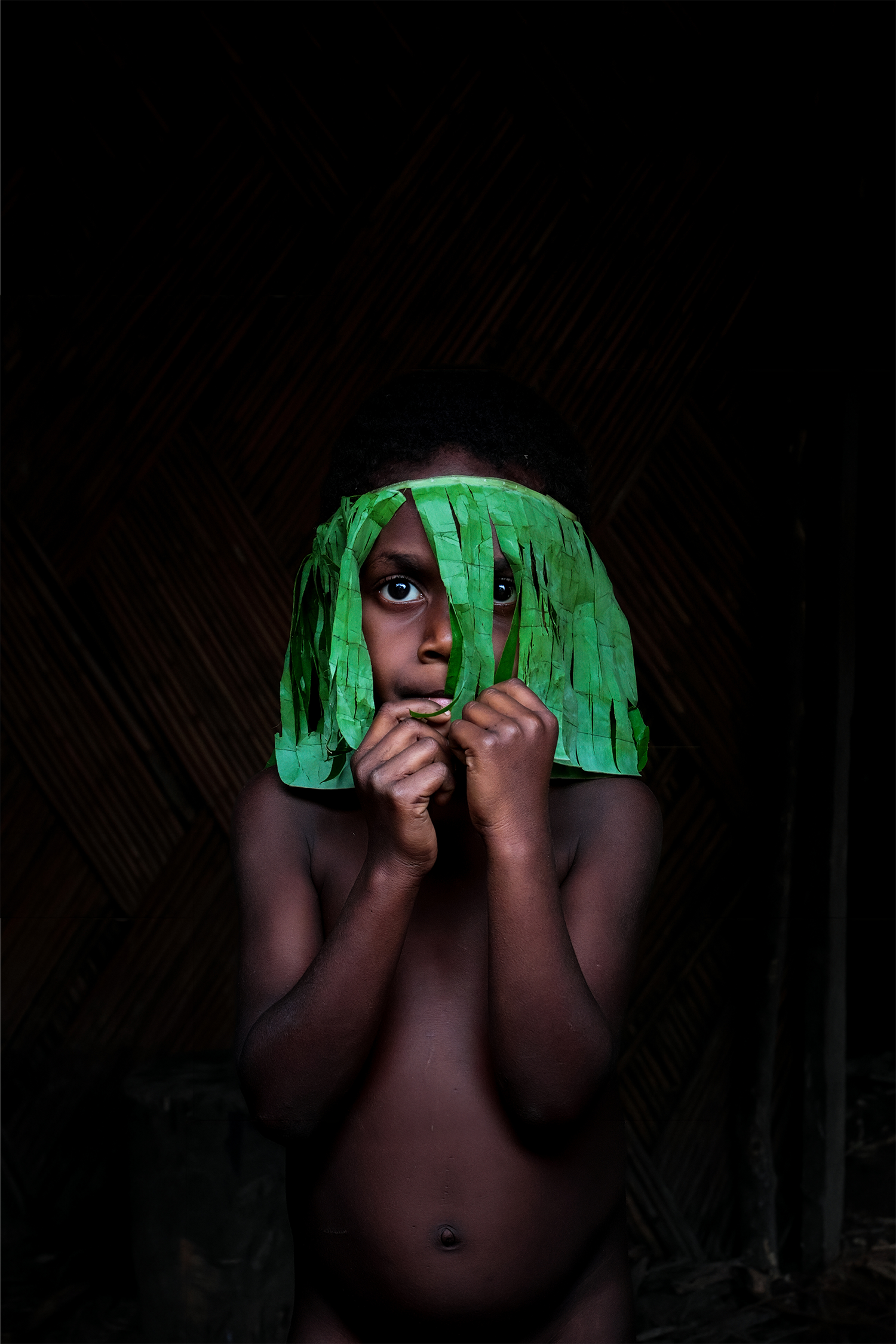
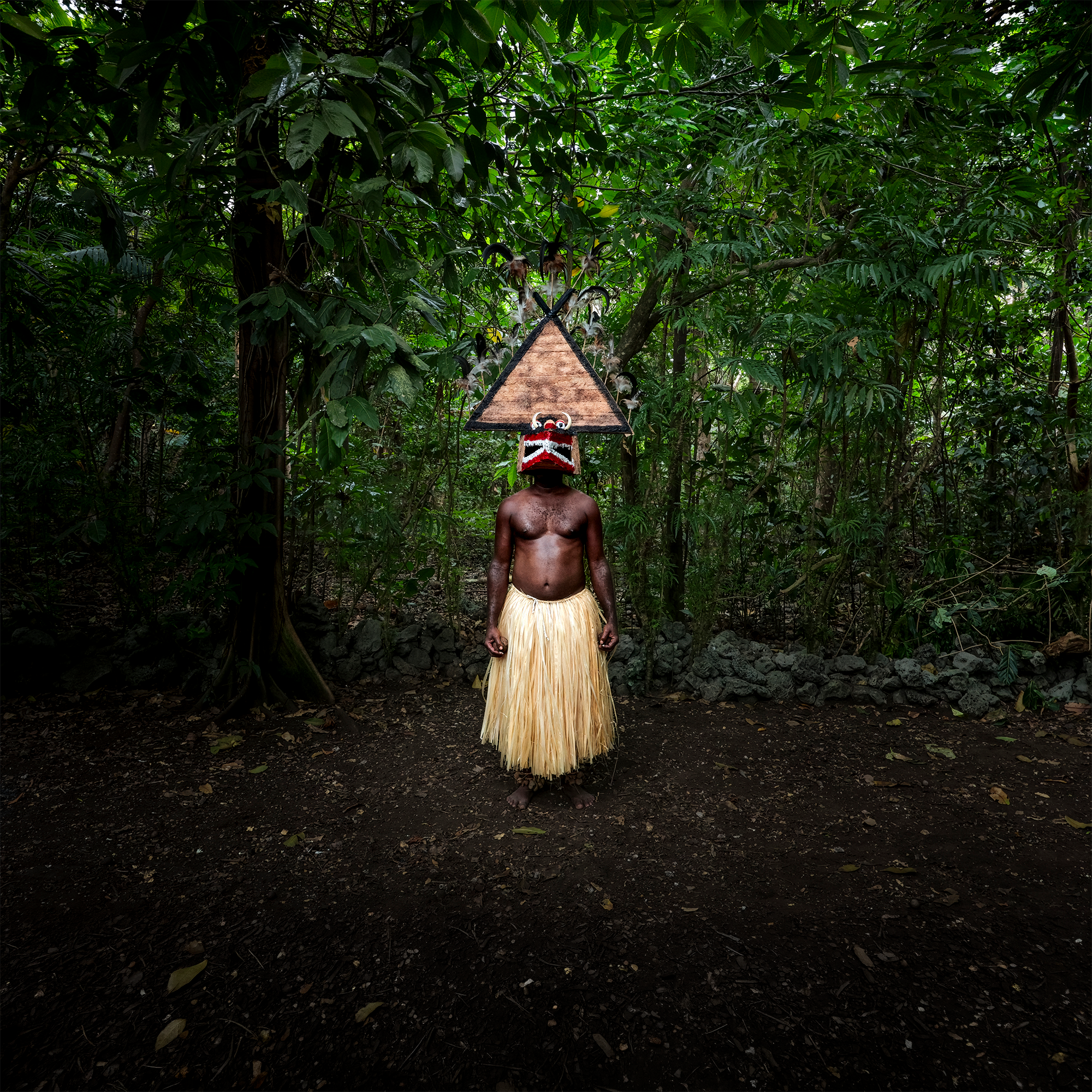
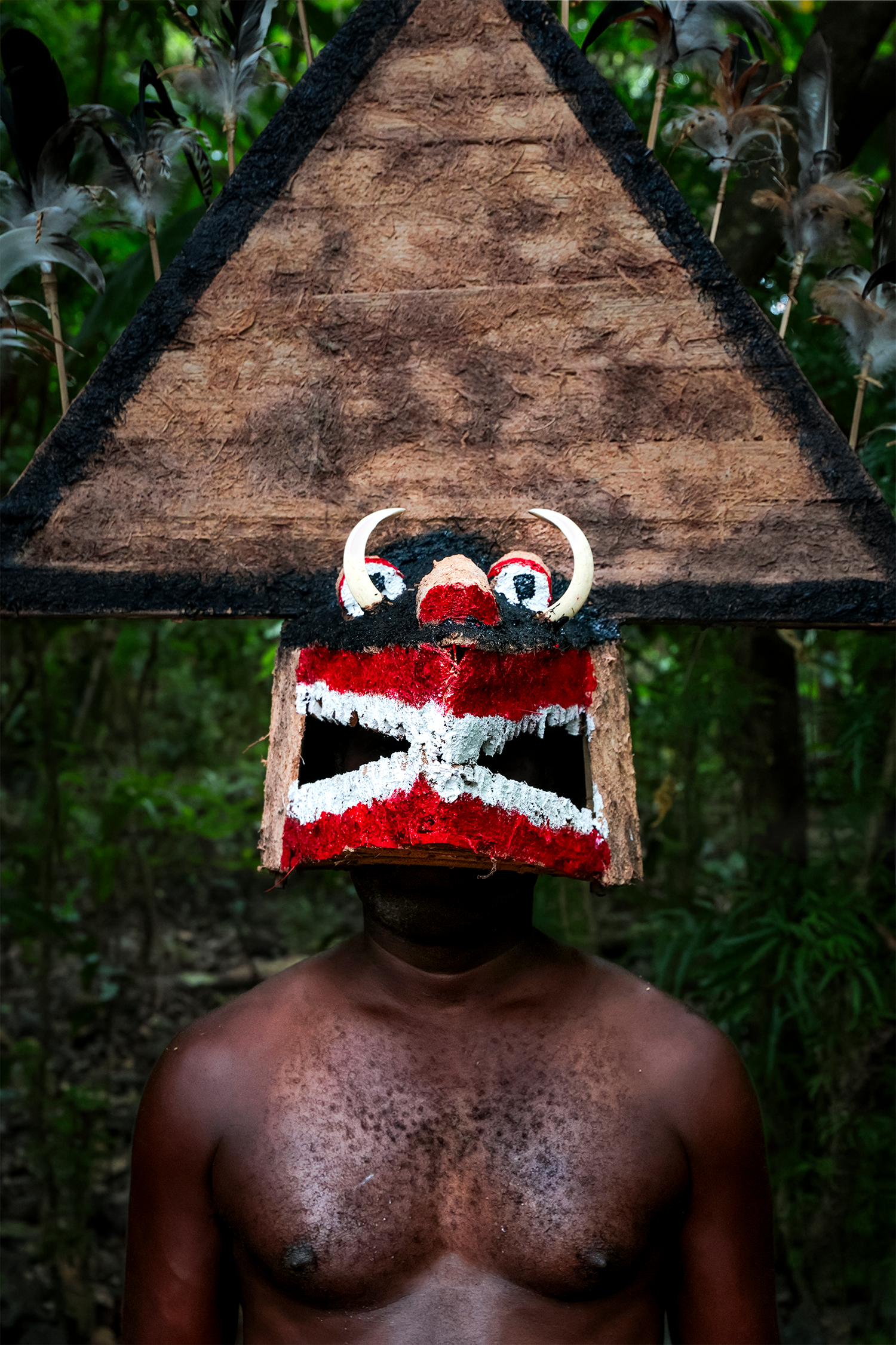
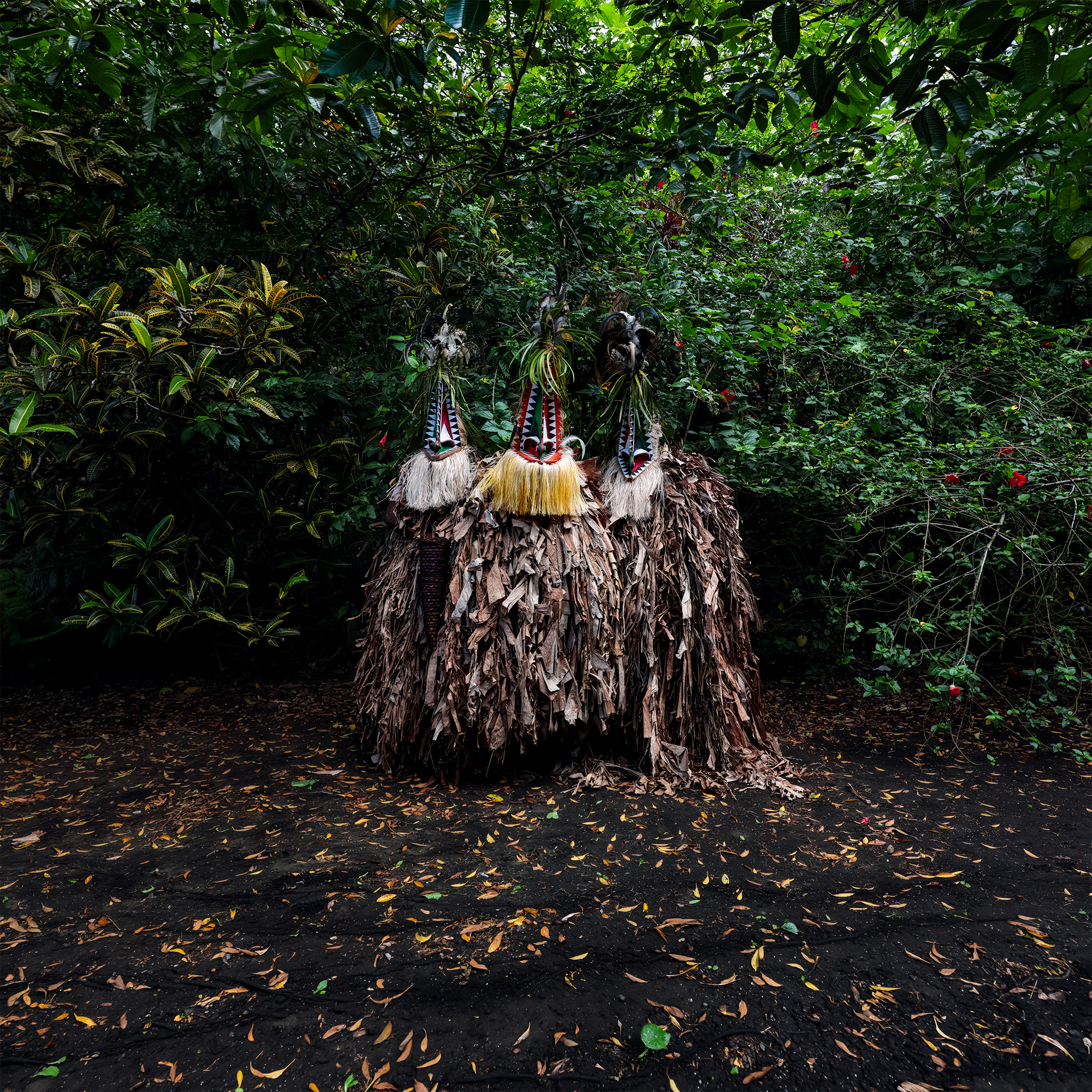
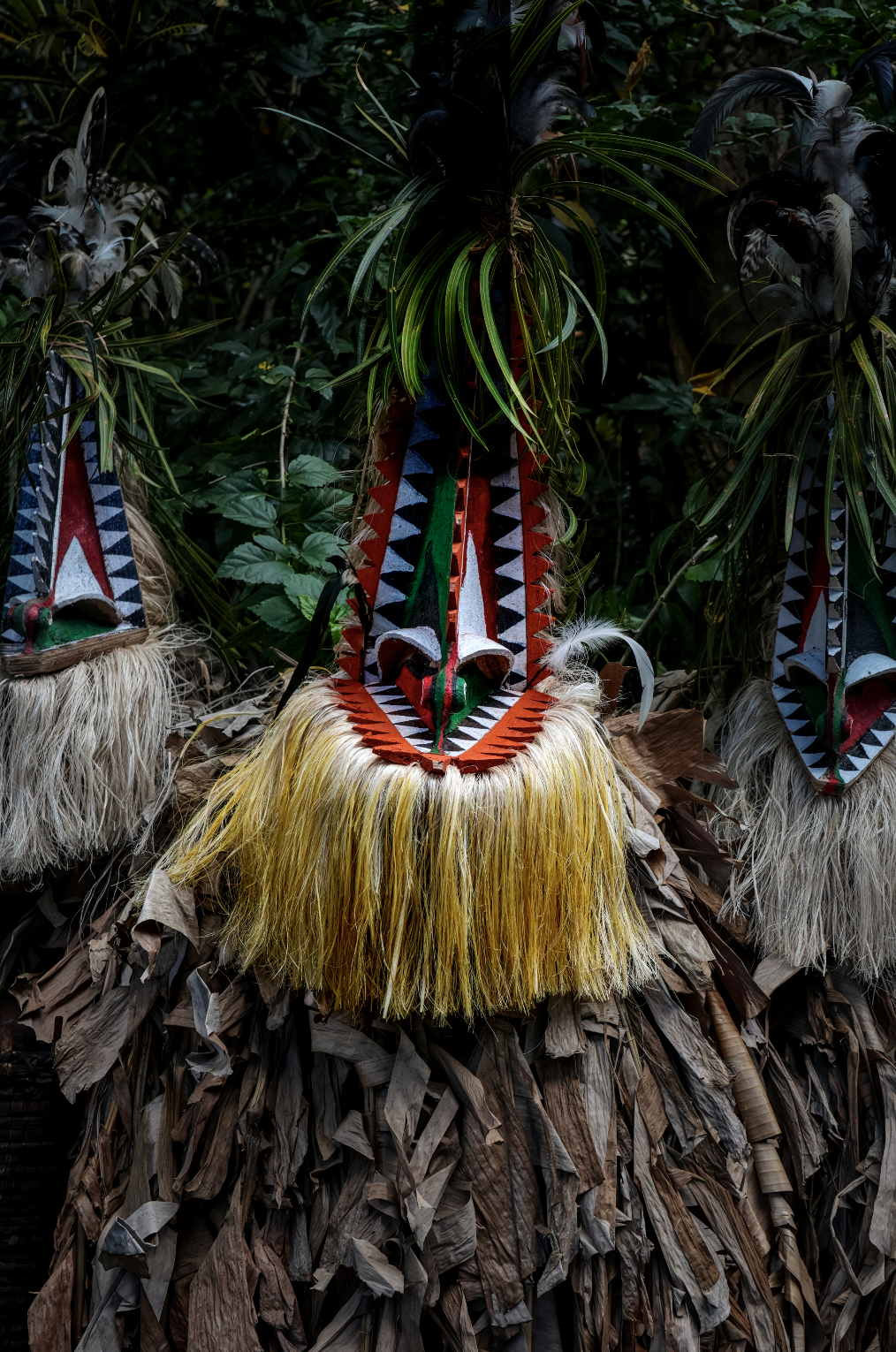
Risking Kastom brings together Antonio Avelar’s photographs from Vanuatu and stone sculptures by Billy Pitta-Gróz, inspired by and reinterpreting those images. Curated by Jason Lyn, the exhibition freezes in the two chosen media the choices through which cultural inheritance is sustained and transformed.
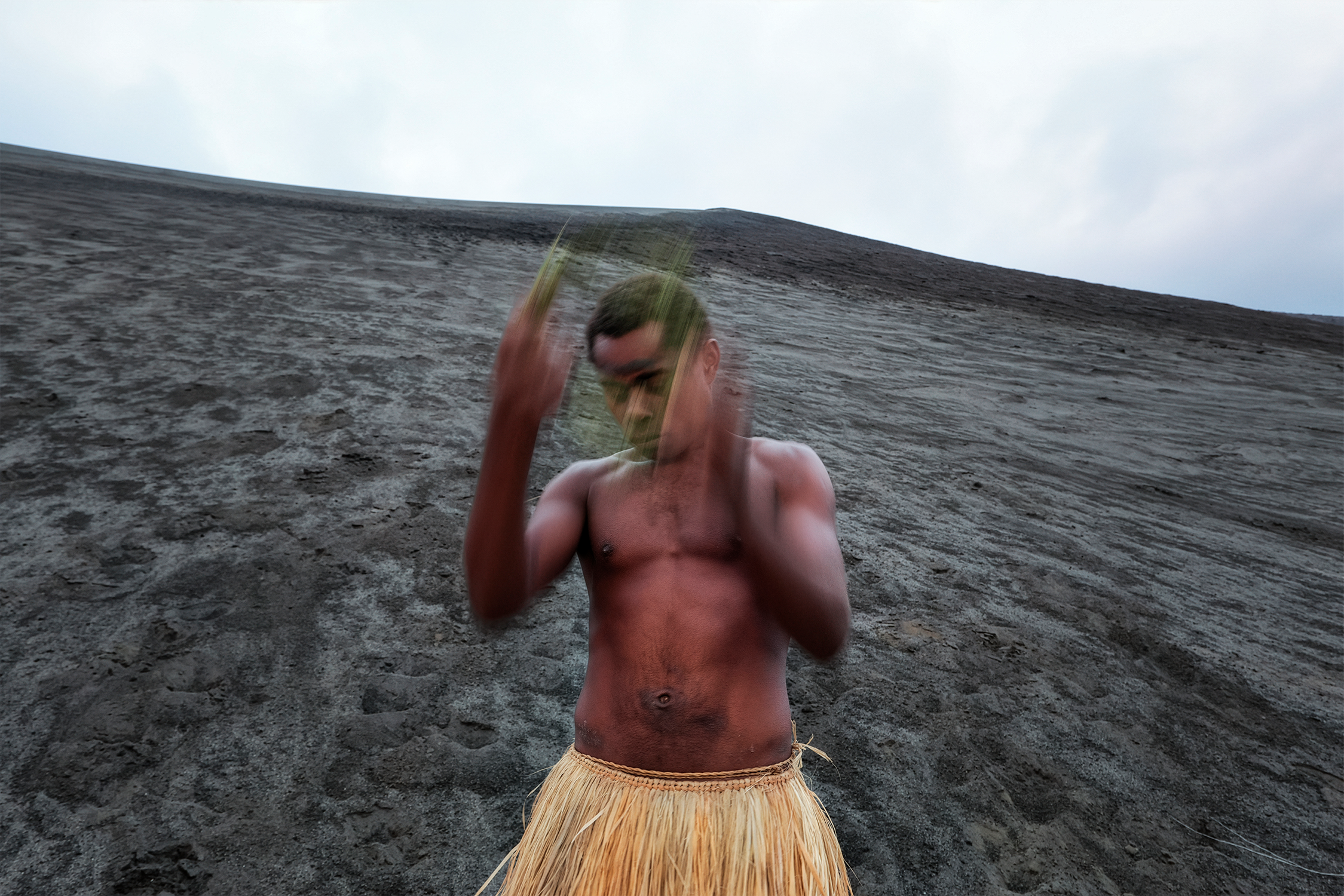
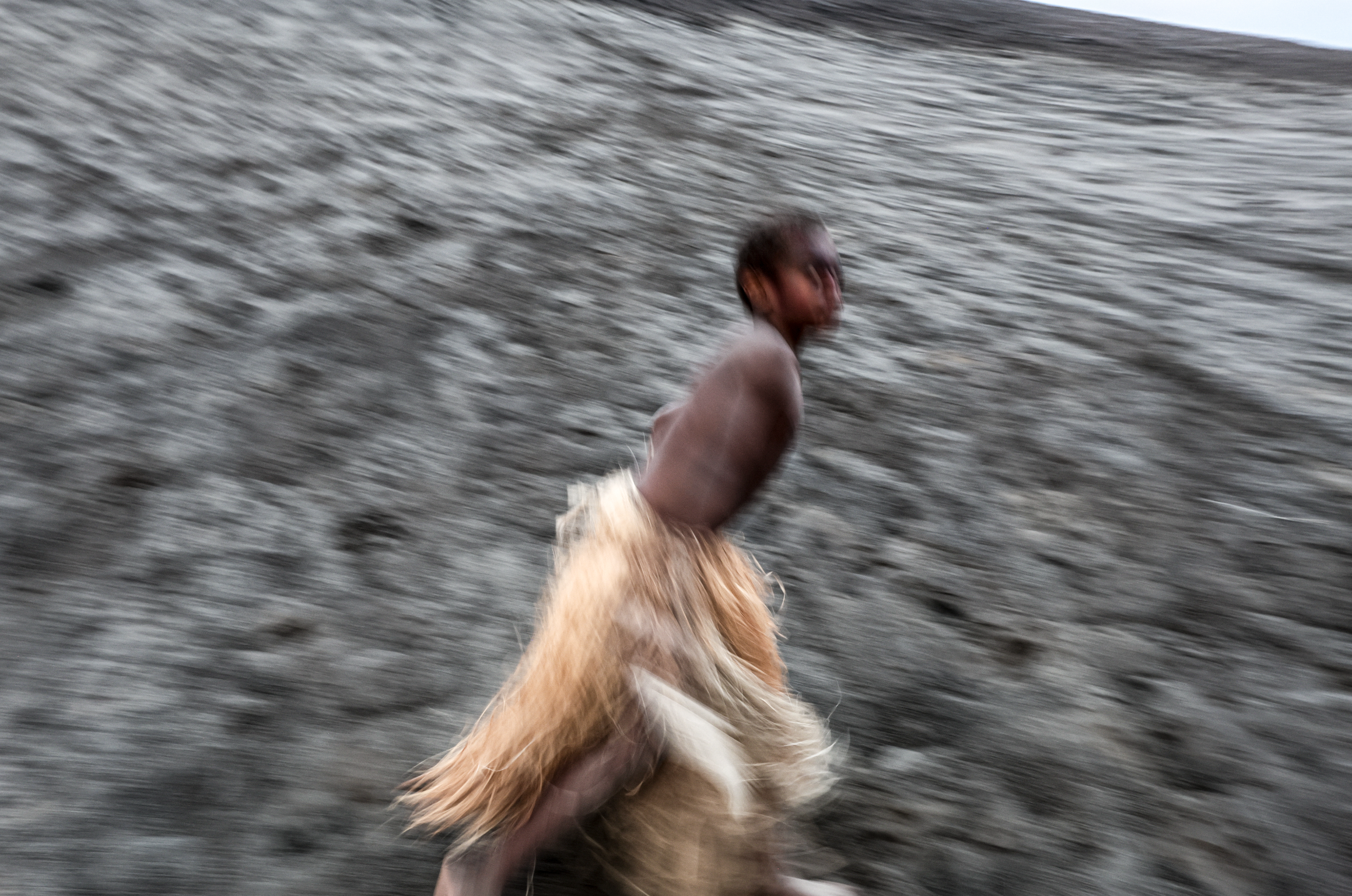
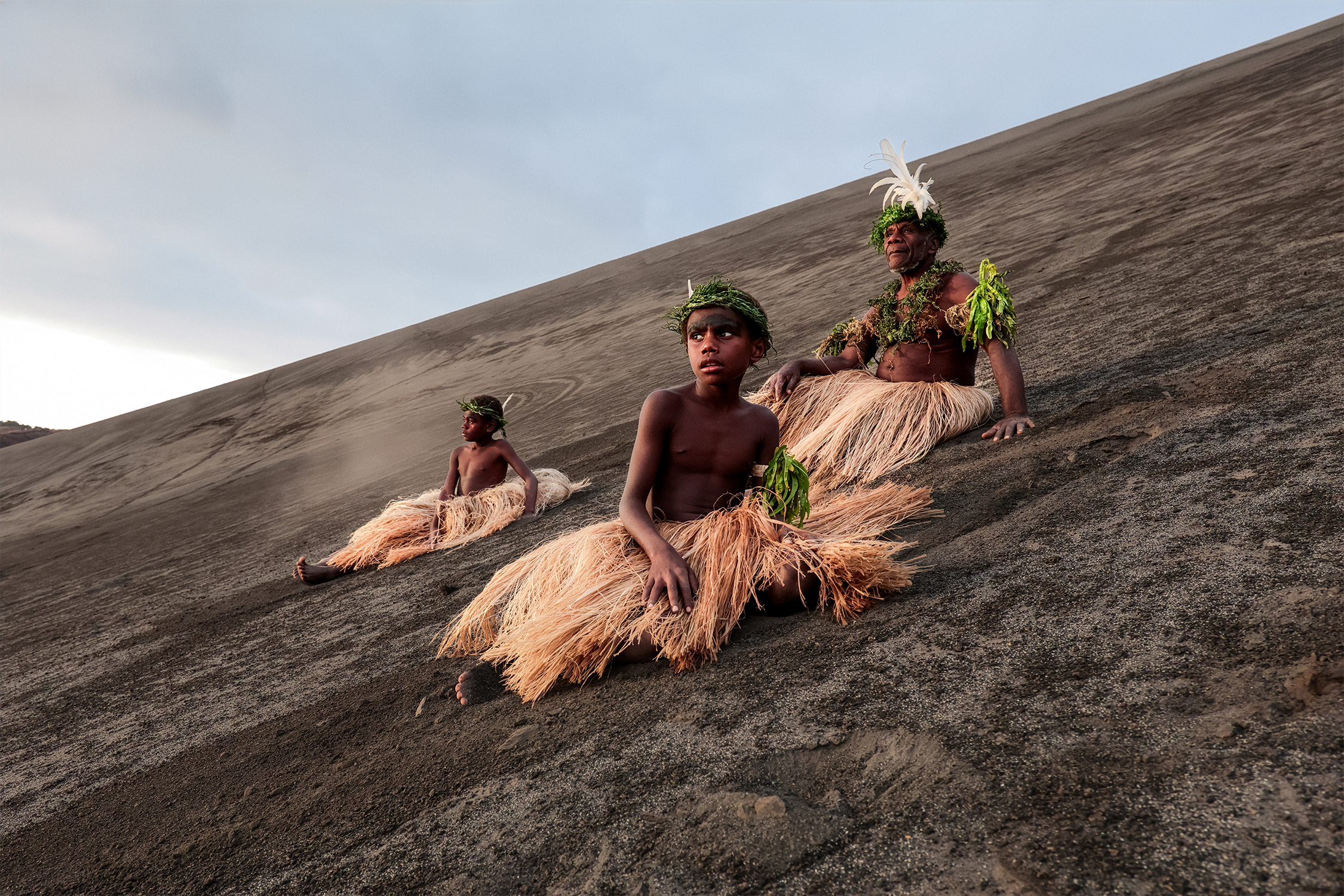
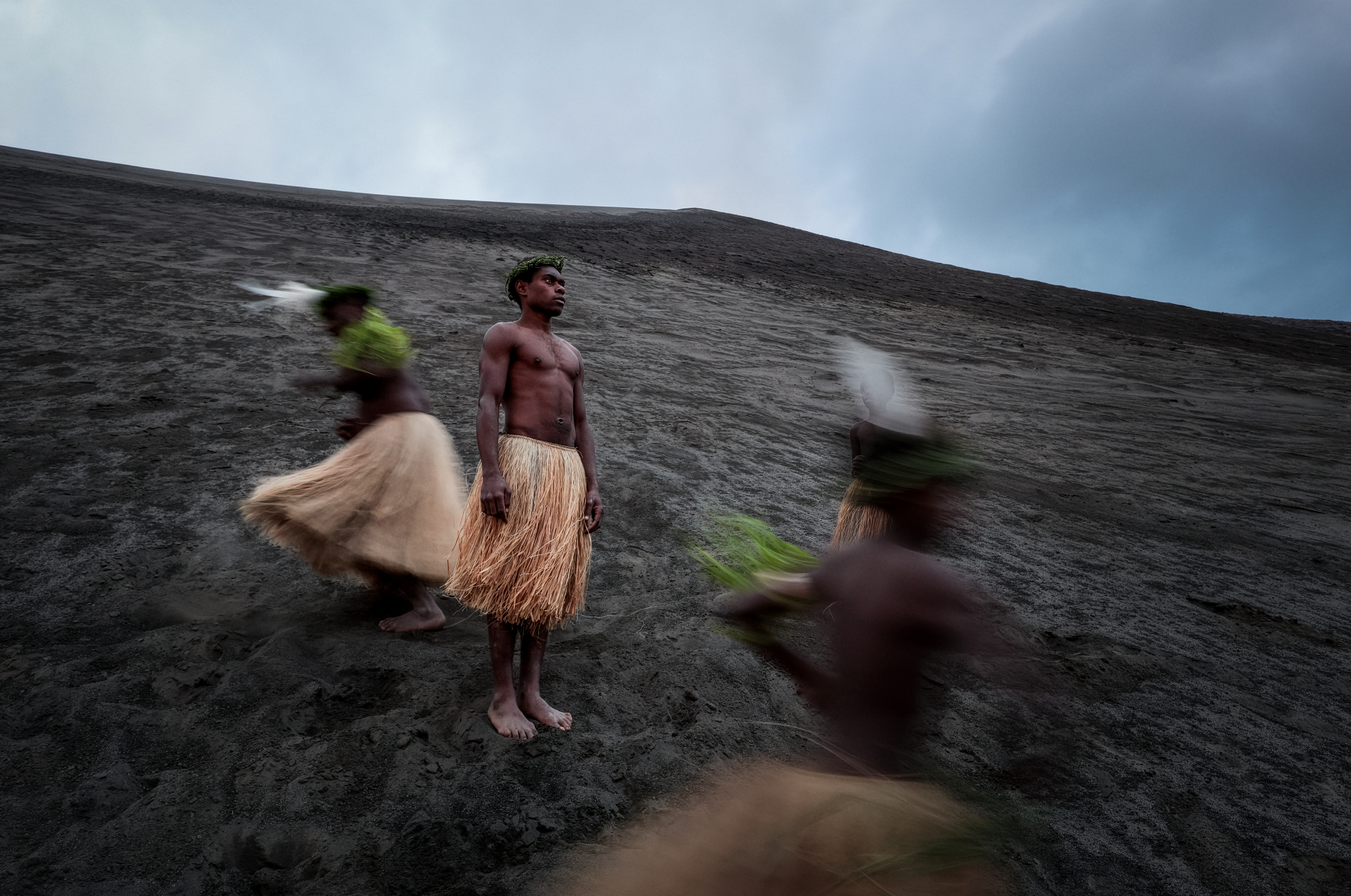
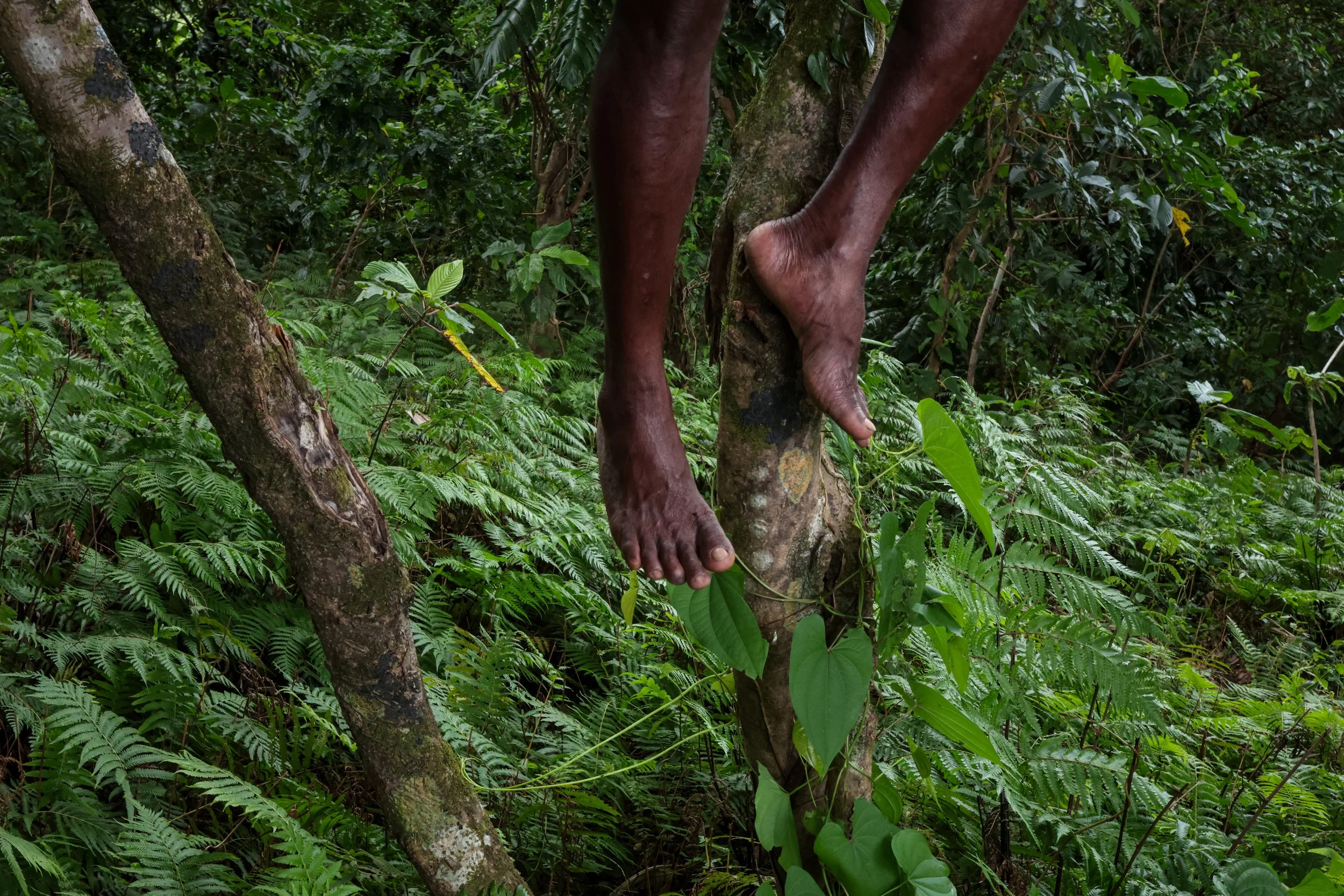
In Vanuatu, kastom encompasses customary knowledge, beliefs and practices that connect people to their ancestors, their land and one another. Passed down between generations through speech and participation and daily life, its continuity depends on being learned. The photographs form part of Topography of Identity, Avelar’s ongoing project examining how geography and lived traditions shape identity.
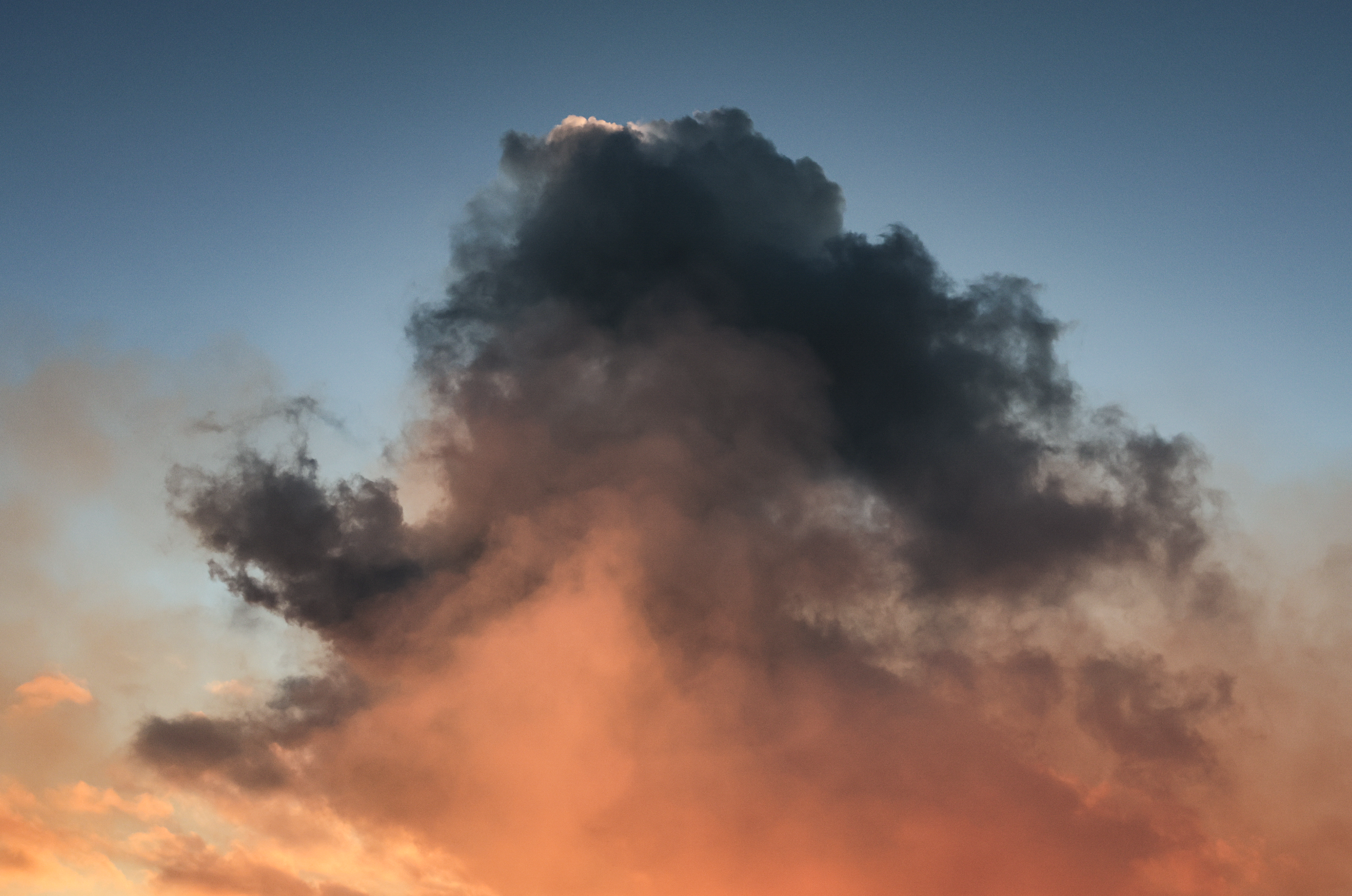
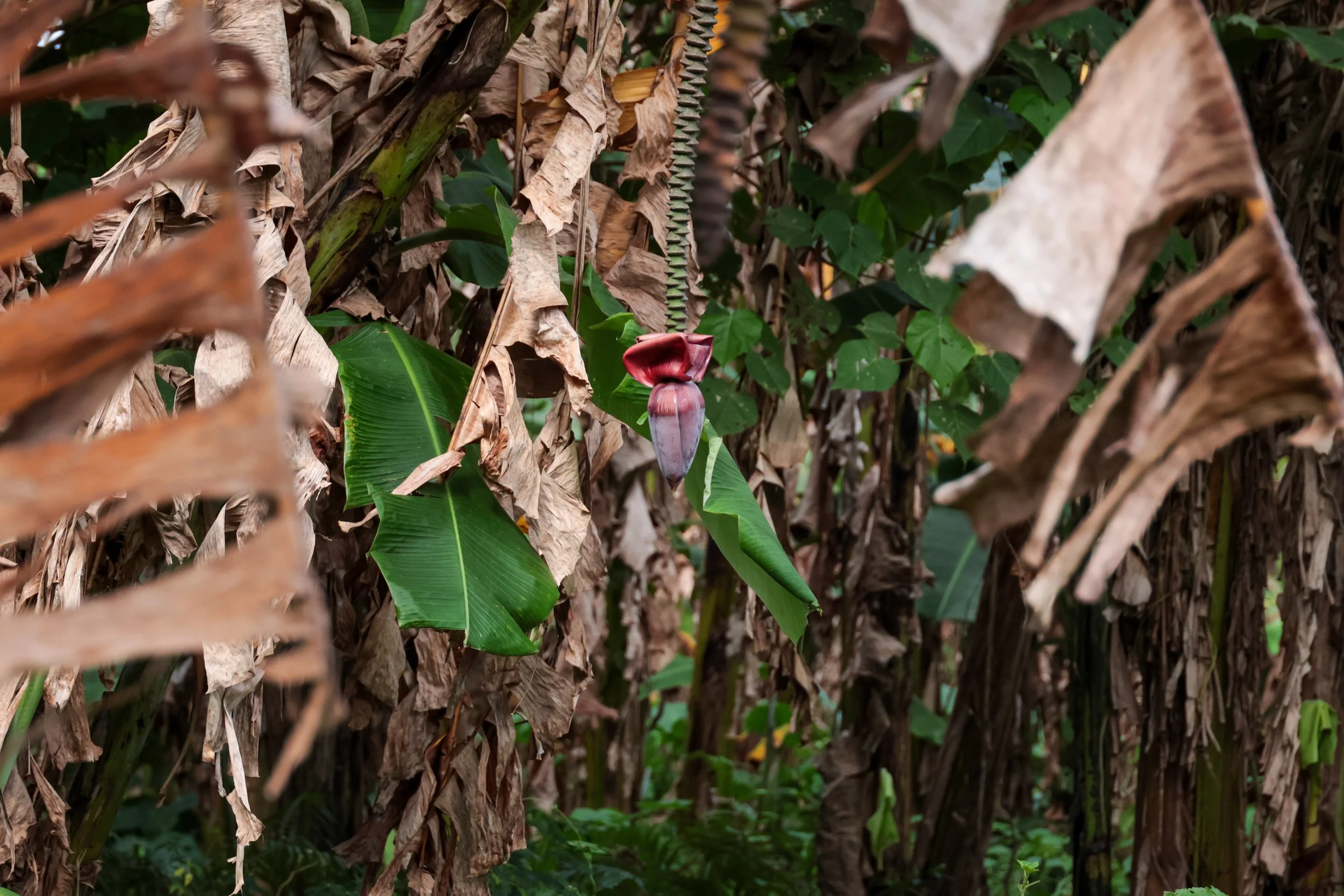
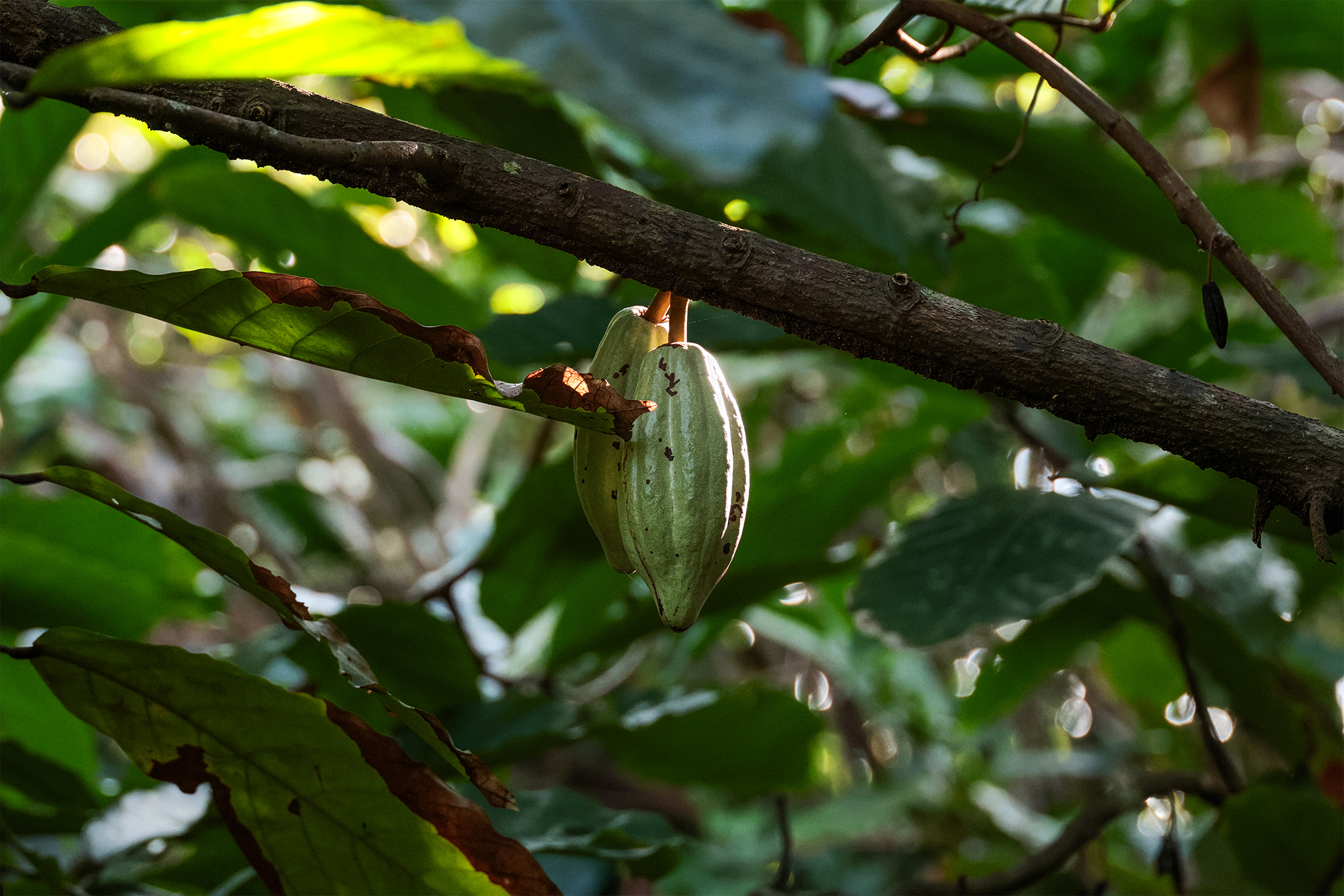
The exhibition rooms approach the subject of identity through masks, gardens of sustenance and volcanic landscapes. Across these images, the islands provide food, material essential, places of spiritual significance and community. The connection to the earth is as practical as intimate, yet modernization and new waves of Christian evangelism are changing the status quo. Ancestral practices have been condemned as incompatible with religious life and continuing them can bring isolation and excommunication. The title holds two risks together: the risk assumed by those who practise kastom, and the risk of cultural erasure when its transmission is broken. The photographs attend to what people continue to cultivate, make and practise under these pressures.
Pitta-Gróz works from the photographs to develop his own response in stone. His sculptures bring another artist’s attention to the images, drawing out forms and giving them a different material presence. Seen alongside the photographs, they invite a return to their source: to notice a shape, a surface or a relationship that might otherwise have passed unnoticed. Through this exchange, the exhibition makes room for both the circumstances in which the photographs were made and the new interpretations they can hold.